
Climate Change of the Appalachia Mountain Region
A region known for its rich biodiversity and stunning landscapes, the Appalachia Mountain Range may be facing profound changes due to climate change. Some researchers suggest that the impact of rising global temperatures and shifting precipitation patterns is becoming increasingly evident in this ecologically diverse region while others don't think it's an issue at all. Personally, if I want to know what is happening with the climate I spend more time outdoors rather than keeping my nose glued to the computer however I am a bit concerned about companies that continue to overhead spray damaging chemicals into the atmosphere that, in the long run will affect the weather, our food sources, and our growing seasons.
No matter what anyone tries to tell you, being mindful of temperatures and changing precipitation patterns can be helpful.
Appalachia Climate Change
Higher average temperatures...
Altering the timing of seed germination and flowering of plants...
Increased frequency of extreme weather events...
Disrupting traditional growing seasons and plant life cycles...
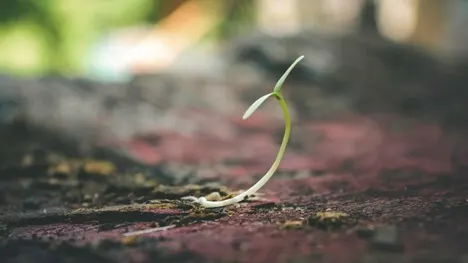
The Appalachia region is experiencing more frequent heatwaves and intense storms, leading to challenges for both plant and animal species that call this area home. These changes have the potential to reshape the ecological communities that have thrived in the Appalachia Mountain Range for centuries.
Impacts on Ecosystems and Biodiversity
Changing climate conditions in the Appalachia Mountain Range are directly influencing ecosystems and biodiversity. As temperatures rise and precipitation patterns shift, the delicate balance of species interactions is being altered, leading to disruptions in food webs and habitat availability.
Climate change is driving changes in species distributions and decreasing the suitable habitat for many plant and animal species in the Appalachia Mountain Range. This can result in reduced biodiversity, as certain species may struggle to adapt or migrate to more suitable environments.
Seed Germination Basics
While exploring the intricate web of life in the Appalachia Mountain Range, understanding the fundamentals of seed germination is crucial. Seeds are miraculous capsules of life capable of giving birth to new plants. The process of seed germination is a complex yet vital stage in the life cycle of plants, especially in the context of the Appalachian ecosystem.
The Process of Seed Germination
The process of seed germination begins with the uptake of water, triggering metabolic changes within the seed. As water penetrates the seed coat, enzymes are activated, initiating the breakdown of stored nutrients. This energy is then utilized by the growing embryo to push through the seed coat and emerge into the soil. The root, or radicle, is the first structure to emerge, anchoring the seedling and absorbing water and nutrients from the surrounding environment.
Factors That Can Affect Seed Germination
On the journey to sprout and grow, seeds are influenced by various factors that can either promote or inhibit germination. Some key factors affecting seed germination include temperature, water availability, light exposure, soil pH, and presence of chemicals or inhibitors in the environment. Any imbalance or change in these factors can significantly impact the germination success of seeds in the Appalachia Mountain Range.
- Temperature: Seeds require specific temperature ranges to germinate successfully. Extreme temperatures can impede or damage the germination process.
- Water availability: Adequate moisture is crucial for seed germination. Lack of water can prevent seeds from breaking dormancy and initiating growth.
- Light exposure: Some seeds require light to germinate, while others germinate in darkness. Light availability plays a critical role in signaling seeds to start the germination process.
Process
While the process of seed germination is a natural and resilient mechanism, it is also sensitive to environmental changes. Understanding how climate change affects these critical factors is imperative for predicting and managing the impact on plant communities in the Appalachia Mountain Range. By delving deeper into the nuances of seed germination, we can shed light on the interconnectedness of plant life and the environment, echoing the wisdom of Aldo Leopold in observing the intricate beauty and fragility of nature.
Climate Change Effects on Seed Germination
Temperature-Dependent Germination
Seed germination is a delicate process that is highly influenced by temperature. Fluctuations in temperature patterns due to climate change can have profound effects on seed germination in the Appalachia Mountain Range. Warmer temperatures may cause seeds to germinate earlier than usual, disrupting the synchrony between germination timing and optimal growth conditions.
| Seed germination factor | Climate change effect |
|---|---|
| Temperature | Warmer temperatures can lead to irregular germination patterns. |
Water Availability and Drought Stress
Germination is highly dependent on water availability, and drought stress due to climate change can impact seed germination in the Appalachia Mountain Range. Lack of sufficient moisture can hinder the germination process, leading to reduced germination rates and overall plant growth.
The
Shifts in Growing Seasons and Phenology
On top of temperature and water availability, climate change can also alter the growing seasons and phenology of plant species in the Appalachia Mountain Range. This shift in timing can disrupt the interactions between plants and their environment, potentially affecting seed germination success.
For instance, as the growing season shifts, seeds may face challenges such as inadequate pollination or mismatched flowering times with pollinators, leading to reduced seed set and overall plant reproduction. It is crucial to understand these climate change effects on seed germination to implement conservation strategies and ensure the resilience of plant populations in the Appalachia Mountain Range.
Appalachian Mountain Range Specifics
For centuries, the Appalachian Mountain Range has stood as a symbol of resilience and natural beauty in North America. Stretching over 1,500 miles from Alabama to Quebec, these ancient mountains are home to a diverse range of ecosystems that support a rich variety of plant and animal life.
Unique Ecosystem Characteristics
Ecosystem dynamics in the Appalachians are shaped by factors such as elevation, precipitation, and temperature. The range includes a mix of temperate forests, grasslands, wetlands, and high-altitude balds. This diverse landscape supports a wide array of plant species, each adapted to thrive in its specific habitat.
Native Plant Species and Their Germination Requirements
Appalachian flora is characterized by a mix of deciduous and coniferous trees, shrubs, wildflowers, and grasses. These native plant species have evolved over millennia to withstand the region's changing climate patterns and soil conditions. Each species has unique germination requirements, influenced by factors like soil pH, moisture levels, and light availability.
Requirements for seed germination in the Appalachians can vary greatly among different plant species. Some seeds may require specific temperature fluctuations or periods of cold stratification to break dormancy, while others may rely on fire or animal dispersal mechanisms to successfully germinate in the wild.
Research Findings and Observations
Studies on Seed Germination in Appalachian Ecosystems
To understand the impact of changing climates on seed germination in the Appalachian Mountain Range, several studies have been conducted in recent years. By examining how different plant species respond to changing environmental conditions, scientists have been able to identify trends that may indicate the effects of climate change on the germination success of Appalachian plants. If you want to make informed decisions about plant growth and care, it's a good idea to look at the science on both sides of the fence, and consider who funds them and why they fund those study's.
Again, look at both sides of climate change research and decide what feels right for you.
Certain studies emphasize the importance of monitoring seed germination as a vital process for plant survival and ecosystem sustainability in the face of changing climates, further suggesting that any shifts in germination patterns can have cascading effects on plant communities, wildlife habitats, and overall ecosystem health in the Appalachian region.
Changes in Germination Rates and Patterns
Patterns emerging from these studies suggest that climate change is indeed influencing seed germination in the Appalachia Mountain Range. Researchers have observed variations in germination rates, timing, and overall success among different plant species. This information provides valuable data on how native plants are adapting, or struggling to adapt, to the changing climate conditions in their habitat.
This knowledge is crucial for conservation efforts and ecosystem management practices in the Appalachian region. By understanding the specific changes in germination rates and patterns of different plant species, scientists can develop strategies to protect vulnerable species, promote biodiversity, and ensure the resilience of the Appalachian ecosystems in the face of ongoing climate change.
Implications and Consequences
Effects on Forest Regeneration and Composition
Many years of altered seed germination patterns in the Appalachia Mountain Range can have profound effects on forest regeneration and composition. Increase in temperature and unpredictable precipitation can disrupt the timing of seed germination, impacting the establishment of new tree seedlings. This disturbance can lead to shifts in the dominance of tree species within the forest, altering the overall composition and biodiversity of the ecosystem.
Cascading Impacts on Ecosystem Services and Biodiversity
Many climate-induced changes in seed germination can have cascading impacts on ecosystem services and biodiversity in the Appalachia Mountain Range. To understand the full extent of these consequences, it is crucial to consider the interconnectedness of plant species with other organisms in the ecosystem. Changes in seed germination can affect food availability for wildlife, nutrient cycling, and even water filtration processes, ultimately influencing the stability and resilience of the entire ecosystem.
To explore deeper into the cascading impacts on ecosystem services and biodiversity, it is important to study how changes in tree species composition due to altered seed germination patterns can affect the habitat suitability for various wildlife species. The decline in certain tree species may disrupt established ecological relationships, leading to potential declines in biodiversity and overall ecosystem health.
Another
Additionally, disruptions in seed germination patterns can have implications for the genetic diversity of tree populations in the Appalachia Mountain Range. Limited germination success in certain regions may reduce the gene flow between populations, potentially leading to inbreeding and decreased adaptability to changing environmental conditions. This can pose long-term challenges for the resilience of forest ecosystems.
Summing up
With these considerations, it is evident that changing climates poses a significant threat to seed germination in the Appalachia Mountain Range. But I think we can say that about most places in the world. As weather patterns shift, the delicate balance of factors necessary for successful seed germination are going to be disrupted. This disruption not only affects plant species in the region but also has far-reaching consequences for the entire ecosystem.
In order to protect the biodiversity of the Appalachia Mountain Range we can implement sustainable practices, do more to reduce our carbon footprint, and advocate for NO Spray Policies that prioritize environmental conservation, we can work towards preserving the unique flora and fauna that call this region home.
GWA disclaimer: GWA Admin values diverse family care ideas and does not intend to influence your beliefs through our blogs. Our posts aim to educate, inspire thoughtful conversations, and foster collaboration within our community. We recognize the complexity of topics and avoid taking sides to promote healthier, less stressful lives together.