
Background and Formation
Formation of Hurricane Helene began in the warm waters of the Atlantic, where tropical storms often gain strength. As it moved northward, Helene intensified into a powerful Category 4 hurricane before making landfall in Florida's Big Bend region. Once it interacted with the rugged terrain of the Appalachian mountains, the hurricane weakened but still brought significant rainfall and dangerous flooding to Western North Carolina and East Tennessee. This combination of topography and moisture influx set the stage for a devastating impact in our area.
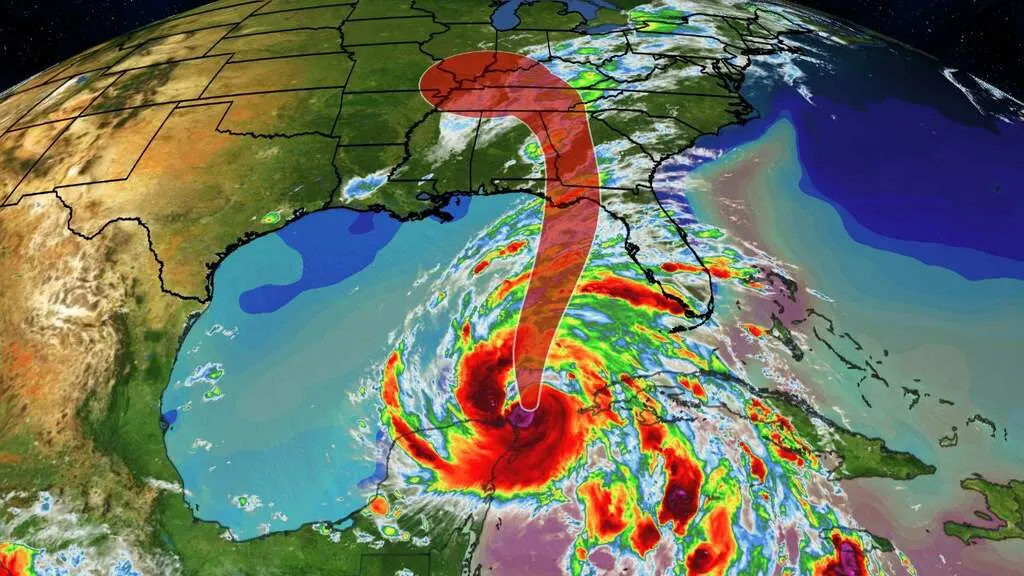
Path and Intensity
Little did you know that Hurricane Helene would take a path that stressed the natural drainage systems of the Southern Appalachians. After striking Florida, the storm traveled north, impacting areas like Western North Carolina with relentless rainfall. This led to record precipitation, particularly in places like Busick, which saw over 30 inches of rain. The transition from a hurricane to a tropical storm did not diminish its potential for destruction as it emptied its moisture into the steep terrains, overwhelming rivers and tributaries.
This immense volume of water, paired with the region's intricate river systems, resulted in a catastrophic flooding scenario. Major rivers and cascading tributary streams struggled to handle the influx, leading to widespread inundation. Local reservoirs played a pivotal role in managing floodwaters, yet even they could not fully contain the record flows, resulting in a dire situation for communities. The path Helene took transformed it into more than just a storm; it became a life-altering event for many in our community.
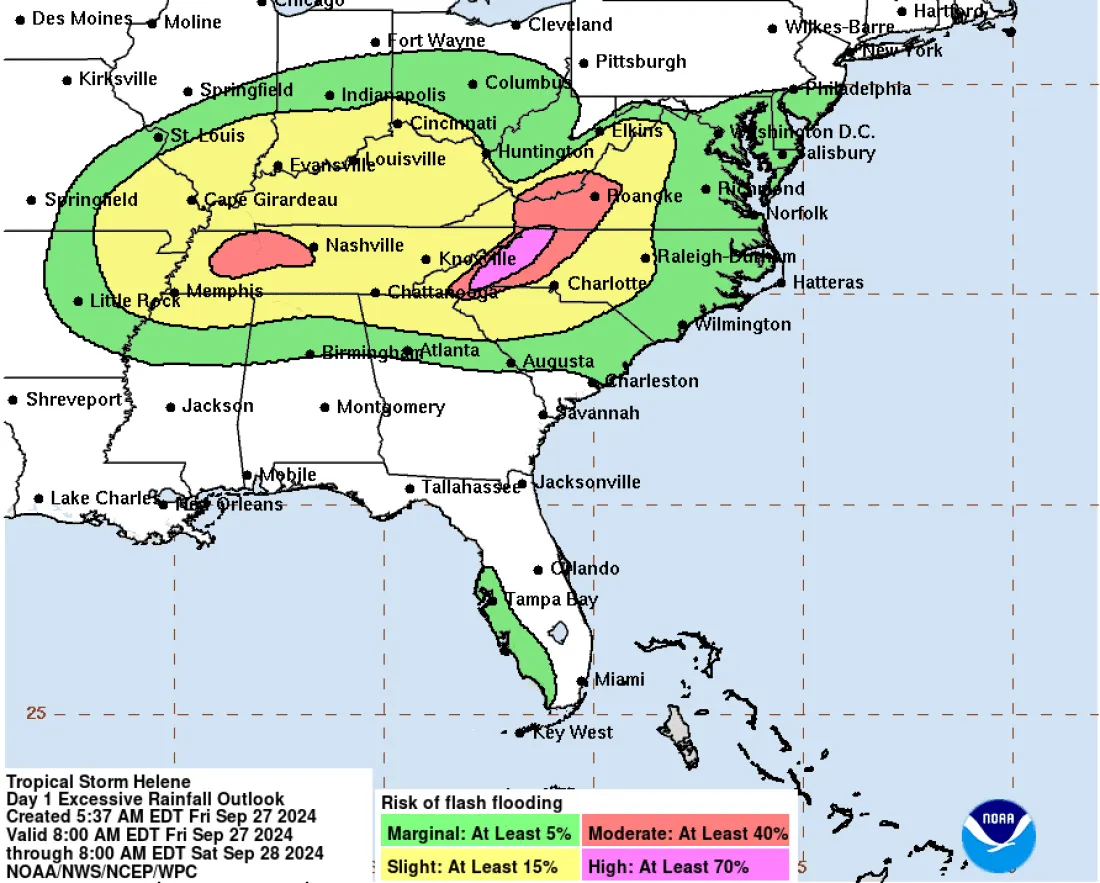
Damage to Infrastructure
Road infrastructure faced devastating impacts from Hurricane Helene, particularly in East Tennessee and Western North Carolina. The torrential downpours led to widespread road washouts and collapsed bridges, hampering access to communities. With record rainfall exceeding 30 inches in some areas, local utilities struggled to maintain power, resulting in outages that affected thousands. Flooding severely damaged water treatment facilities, further complicating recovery efforts.
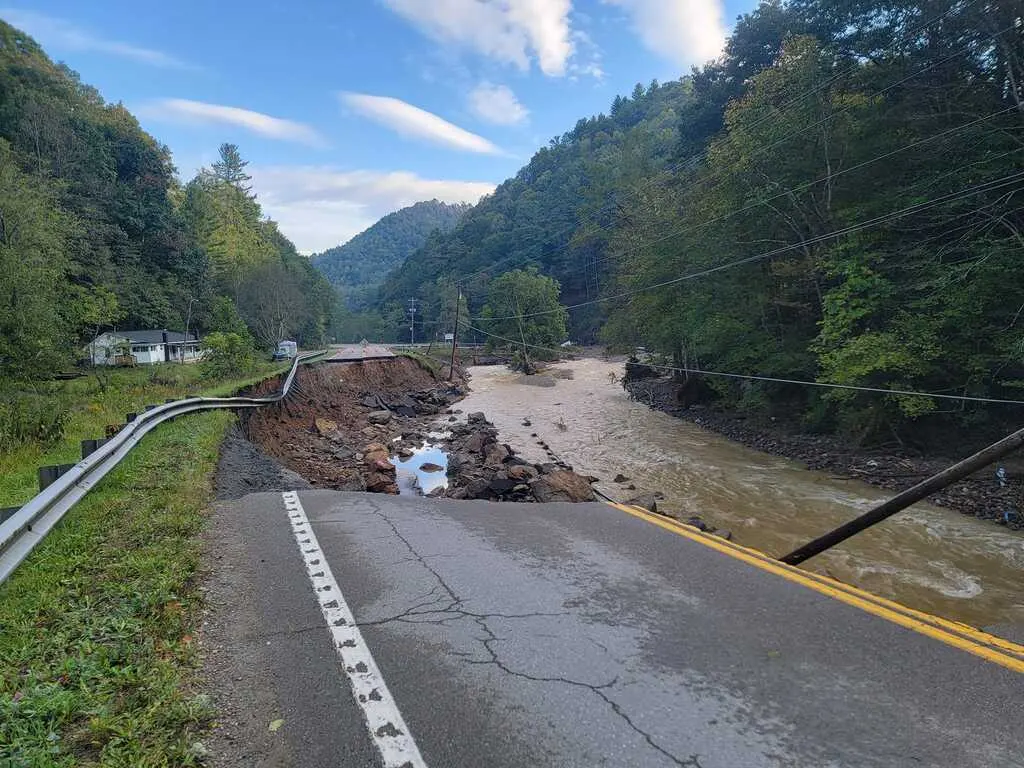
Emergency Response and Recovery Efforts
Western North Carolina and Eastern Tennessee mobilized quickly in response to the disaster, with local agencies and the National Guard working around the clock to assist those affected. Emergency shelters were established to provide immediate support, and resources were allocated to restore critical services. You can expect ongoing recovery efforts to address the extensive damage, and community volunteers are playing a vital role in rebuilding efforts. Collaboration between state and federal agencies will be imperative to ensure a comprehensive recovery strategy is implemented.
To facilitate recovery, agencies are conducting damage assessments to prioritize infrastructure repairs and aid distribution. Your community may benefit from various programs designed to assist in rebuilding homes and public facilities. Local governments are also organizing outreach initiatives to inform residents about available resources, ensuring that support reaches those in need promptly. Community resilience will be key as you navigate the recovery process ahead.
Flooding and Landslides
With over 30 inches of rain falling near East Tennessee and North Carolina, Hurricane Helene triggered catastrophic flooding and landslides throughout the region. The steep terrain of the Appalachian mountains, coupled with saturated soils, overwhelmed small tributary streams and major rivers, leading to widespread damage. As waters surged, emergency responders faced challenges navigating the flooded roads to reach those in distressed areas, highlighting the significant threat that intense rainfall poses in mountainous regions.
Community Support and Resource Distribution
Support for those affected by Hurricane Helene came swiftly as local organizations and volunteers mobilized to assist flood victims in Western North Carolina and eastern Tennessee. Community centers opened their doors to provide shelter, while food banks distributed vital supplies to those in need. Residents rallied together, demonstrating the strength of community spirit in the face of adversity.
Plus, numerous agencies coordinated efforts for resource distribution, ensuring that aide reached the hardest-hit areas. Local governments collaborated with NGOs to assess damages, prioritize needs, and streamline services. Volunteer groups gathered to distribute food, clothing, and cleaning supplies while offering emotional support to your neighbors, illustrating the power of unity and compassion in recovery efforts.
Environmental Concerns
Long-term consequences of Hurricane Helene's heavy rainfall could deeply affect the local ecosystems in Western North Carolina and East Tennessee. The intense flooding not only jeopardizes water quality by introducing contaminants but can also lead to erosion and habitat loss. As rivers overflow and tributaries swell, aquatic life and plant communities may struggle to survive under changed conditions, which could impact biodiversity in the region for years to come.
Economic Impact on Affected Areas
Economic loss from Hurricane Helene is staggering, with billions in damages reported across affected regions. You might find that local businesses and farming are particularly hard hit, losing both inventory and revenue during peak seasons. Repair costs for infrastructure damage will add further economic strain, necessitating local and state resources to fund recovery efforts.
The aftermath of Hurricane Helene underscores the economic ramifications that extend beyond immediate damages. Local economies already burdened by the pandemic now face increased challenges, including the loss of tourism revenue, as damaged roads and closed attractions deter visitors. Farming and timber industries, vital to the Appalachian economy, also suffer from crop and land erosion, potentially impacting food prices and availability in the coming months. In this climate, the recovery will require a coordinated effort to rebuild infrastructure and restore commercial viability.
Lessons Learned from Hurricane Helene
While Hurricane Helene revealed the severe vulnerabilities of Southern Appalachia, it also emphasized the need for enhanced understanding of how mountainous terrains and heavy rainfall interact. The record-breaking 30 inches of rain in Busick, North Carolina, shows the amplified risks posed by geography, highlighting the critical importance of integrating local weather patterns and geological features into disaster preparedness strategies.
Strategies for Enhanced Resilience
Preparedness must focus on improving infrastructure and community awareness to better cope with extreme weather events like Hurricane Helene. You should advocate for the establishment and maintenance of resilient drainage systems, promote community-led flood planning, and invest in educational resources that empower residents in flood-prone areas.
It is vital to foster collaboration between local governments, emergency services, and residents to develop tailored strategies for your community. This might include regular drills, establishing clear communication protocols during severe weather, and enhancing the capacity of reservoirs to manage excessive rainfall. By prioritizing these strategies, you can contribute to a more resilient community, enabling better responses to the unforeseen challenges posed by future natural disasters.
GWA disclaimer: GWA Admin values diverse family care ideas and does not intend to influence your beliefs through our blogs. Our posts aim to educate, inspire thoughtful conversations, and foster collaboration within our community. We recognize the complexity of topics and avoid taking sides to promote healthier, less stressful lives together.