
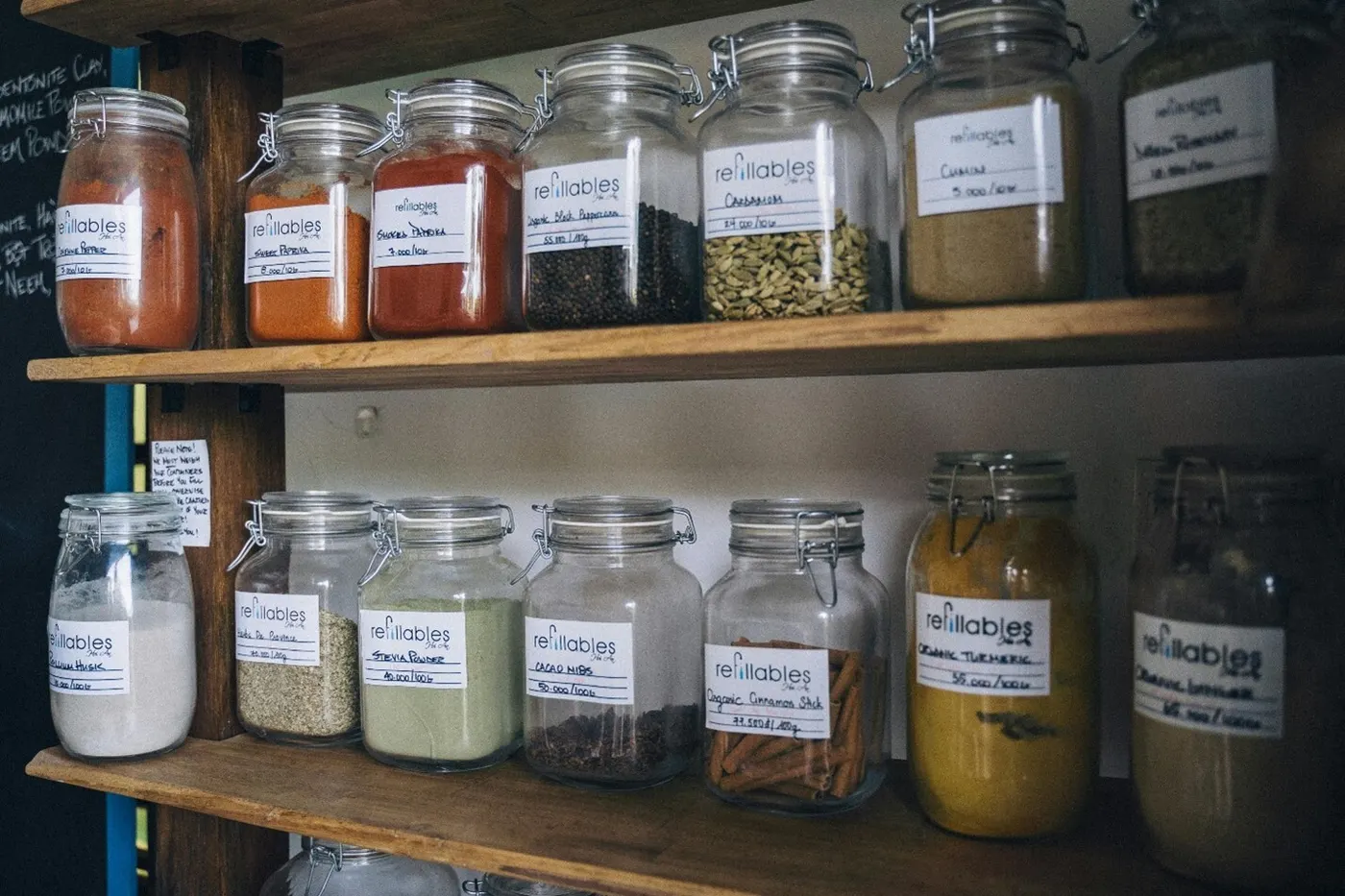
Starting your own vegetable garden can be exciting and rewarding, but it's important to properly store your seeds before getting started. Did you know that some vegetable seeds can last for several years if stored properly? To extend the shelf life of your seeds, keep them cool and dry. For partially used seed packets, simply reseal with tape or place them in a sealable plastic bag. For larger quantities, consider using a plastic container or glass jar with a tight-fitting lid. If you have homegrown seeds, smaller containers like 35 mm film canisters or baby food jars work well. To keep your seeds fresh, store them in the refrigerator or freezer until you're ready to plant. With these tips, you'll have a healthy and successful vegetable garden in no time!
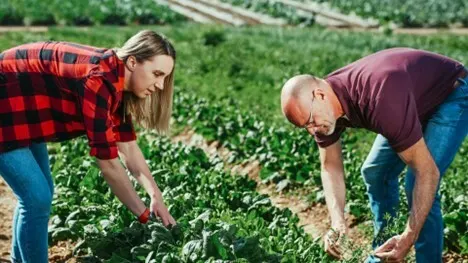
Are you thinking about starting a vegetable garden? One of the most important factors to consider when planting seeds is timing. It is crucial to plant seeds at the proper time, depth, and spacing, as indicated in the factsheets provided by the Agricultural Extension Service (SP 291-G, O, and P).
If cool-season vegetables are seeded too late, they may not mature or may produce only small quantities of low-quality vegetables. On the other hand, warm-season vegetable seeds planted too early may not germinate due to cool soil temperatures.
To maximize your yield and extend the length of your harvest season, it is recommended to stay within the acceptable planting dates and make multiple plantings at 2- to 3-week intervals for many vegetable crops. Additionally, you can follow early cool-season vegetables with warm-season vegetables or a fall garden.
When preparing the soil for planting, it is helpful to use stakes and a string to make straight rows. A hoe or other suitable tool can be used to open a furrow to the recommended depth. If the soil is extremely dry, adding water to the furrow can help create a suitable environment for the seeds.
Once the furrow is prepared, carefully place the seeds a little thicker than the recommended spacing and cover them with soil using a rake or hoe. To ensure a higher percentage of seed emerges, it is important to keep the soil surface from drying or crusting. You may need to water the germinating seeds frequently or cover the seed row with newspaper or a board.
To further prevent crusting, you can sprinkle sand, compost, or peat moss over the seeds. However, it is important to remove the newspaper or board when the seedlings begin to emerge to allow proper growth.
As the seedlings reach a height of 2 to 3 inches, they should be thinned to the recommended in-row spacing. Thinning reduces competition for water, nutrients, and sunlight and also increases air circulation around the plants, reducing potential disease problems. In some cases, the small plants removed during thinning can be eaten, providing the first homegrown vegetables of the season.
To help the remaining plants recover after thinning, you can water the rows with a water-soluble fertilizer. Furthermore, it is recommended to use a high-phosphate starter solution to promote root development on transplanted seedlings.
To ensure a healthy harvest, it is important to remove weeds regularly, as they compete for water, nutrients, and sunlight. Controlling insects and diseases is also crucial in preventing a reduction in yield and quality.
Depending on the crop's development stage, it is recommended to provide 1 to 2.5 inches of water per week. Frequent monitoring and irrigation are essential to prevent any potential water stress, which can significantly damage both the yield and quality of the vegetables.
Proper care of upright plants, such as staking and tying, can help increase air circulation and prevent diseases. This practice can also keep the harvested produce clean. Additionally, frequent harvesting is necessary to maintain the highest-quality produce. Overly mature fruits left on the plant can cause it to quit blooming and attract insects.
Lastly, to ensure maximum production, it is essential to give the garden frequent attention. Scouting for early signs of problems and performing minor tasks every day or two can help maintain a healthy and high-quality garden. For more information on vegetable gardening, visit the Agricultural Extension Service website at http://www.utextension.utk.edu/. Happy gardening!
GWA disclaimer: GWA Admin values diverse family care ideas and does not intend to influence your beliefs through our blogs. Our posts aim to educate, inspire thoughtful conversations, and foster collaboration within our community. We recognize the complexity of topics and avoid taking sides to promote healthier, less stressful lives together.